Medicare Part D
.
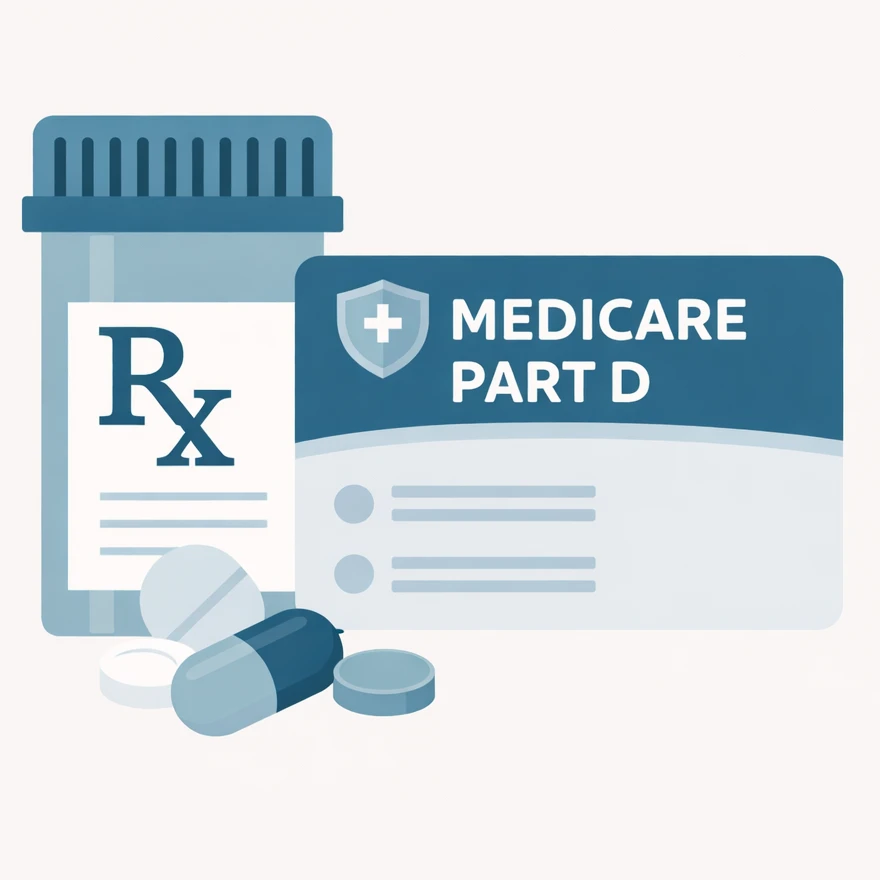
Medicare Part D - Prescription Drug Plans
Medicare Part D is optional, meaning you can choose whether to enroll in a prescription drug plan. However, if you don’t enroll when you’re first eligible—and don’t have other creditable drug coverage—you may face a late enrollment penalty. Part D plans are often paired with Medicare Supplement plans to provide more complete coverage, while most Medicare Advantage plans already include prescription drug benefits. Enrolling on time helps you access medications at a lower cost and protects you from high out-of-pocket expenses if you need expensive prescriptions.
How Much Does Medicare Part D Cost?
Monthly premiums for Medicare Part D prescription drug plans vary depending on the plan you choose, largely based on the formulary (the list of covered medications). Higher-income individuals may also pay an additional amount called IRMAA (Income-Related Monthly Adjustment Amount). Some plans include an annual deductible that must be met before coverage begins. Medicare sets a maximum deductible each year, though plans may charge less—for example, in 2024 the maximum deductible is $545.
How Do Prescription Drug Plans Work?
When you fill a prescription, your Part D plan helps reduce the cost through set copays. Medications are organized into tiers—ranging from lower-cost generics to higher-cost specialty drugs—with each tier having its own pricing. The amount you pay depends on the tier your medication falls into, allowing you to access needed prescriptions at a more affordable rate.
How Do I Enroll In Prescription Drug Plan?
You’re eligible to enroll in a Medicare Part D prescription drug plan when you first become eligible for Medicare, typically at age 65. You can work with a licensed Medicare agent to review your options or enroll directly through Medicare by calling 1-800-MEDICARE or visiting Medicare.gov. If you don’t enroll when first eligible, you can still sign up later, but you may face a late enrollment penalty. Each year, during the Annual Enrollment Period (October 15 to December 7), you can add, change, or drop your prescription drug coverage.
Your Medicare Questions Answered

What is Medicare?
Medicare is a federal health insurance program primarily for people age 65 and older. It also covers certain younger individuals with disabilities or specific medical conditions. Medicare helps cover hospital care, doctor visits, prescriptions, and other healthcare services.
How do I get started?
The best first step is to schedule a consultation to review your Medicare options. We’ll walk through your situation, answer your questions, and help you find the coverage that fits your needs.
When should I enroll in Medicare?
Most people should enroll during their Initial Enrollment Period, which starts 3 months before your 65th birthday, includes your birthday month, and continues 3 months after. Enrolling on time helps avoid potential late penalties.
What are the different parts of Medicare?
Medicare is divided into four main parts:
-
Part A – Hospital Insurance
Covers hospital stays, skilled nursing facilities, and some home healthcare. - Part B – Medical Insurance Covers doctor visits, outpatient care, preventive services, and medical equipment.
-
Part C – Medicare Advantage
Private plans that combine Part A and B and often include extra benefits. -
Part D – Prescription Drug Coverage
Helps cover the cost of prescription medications.
Does Medicare cover prescription drugs?
Original Medicare (Parts A and B) does not typically cover most prescriptions. You can add Part D prescription drug coverage or enroll in a Medicare Advantage plan that includes drug coverage.
How much does Medicare cost?
Costs vary depending on the coverage you choose. Some parts of Medicare have premiums, deductibles, and copays. Many people receive Part A premium-free, while Part B typically has a monthly premium.
Can I keep my doctor with Medicare?
Many doctors accept Medicare, but it depends on the type of plan you choose. Some plans allow you to see any Medicare-accepting provider, while others may use networks.